
- 0
- 869 words
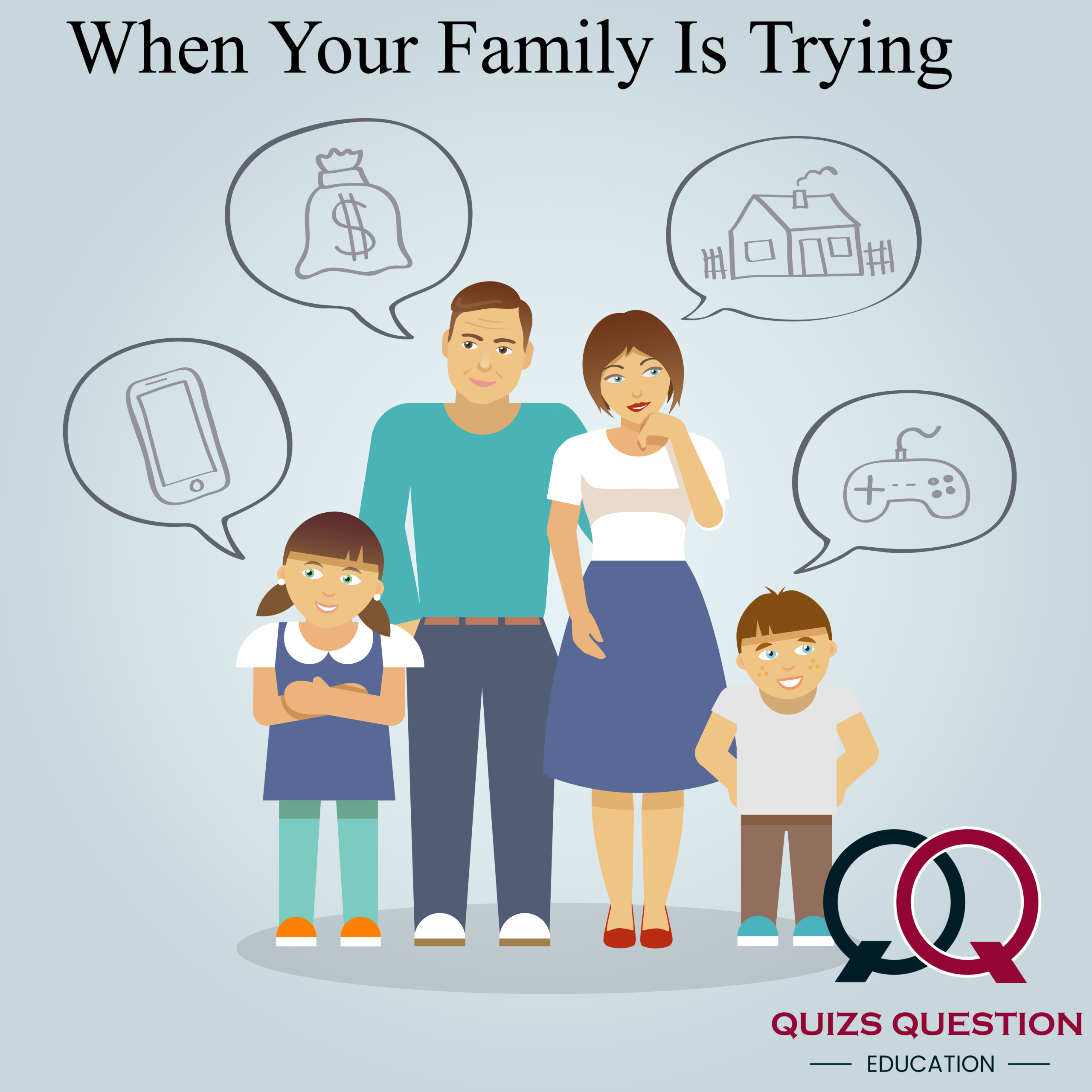
It can be really frustrating when family members act out of fear or overprotection, especially if it makes you feel like you’re losing your independence or being underestimated. When they’re operating from a place of “what ifs” and “maybes,” it often means they’re anxious about something happening to you—but that doesn’t mean their approach is helpful or fair.
Here are some ways to handle it:
1. Start with Empathy, But Set Boundaries
Acknowledge their concerns: “I know you’re worried about me, and I appreciate that you care.”
Then gently but clearly assert your needs: “But I need the space to handle things on my own unless I ask for help.”
2. Communicate Specific Needs
Instead of just saying “stop doing everything for me,” try giving them clear examples:
- “I’d like to schedule my own appointments.”
- “I want to try handling this task myself, even if it’s hard.”
This makes the boundary practical and less emotional.
3. Show That You’re Capable
Sometimes people back off when they see you can handle things. If you can, take the initiative on tasks they usually jump in on—then let them see the results.
4. Ask Them to Share Their Fears Directly
You can say, “What’s the worst-case scenario you’re imagining?”
Getting it out in the open might help them realize their concerns are a bit exaggerated—or at least gives you the chance to address them with logic.
5. Bring In a Neutral Third Party (if needed)
If conversations get too emotional, a therapist, counselor, or trusted family friend can help mediate and validate both sides while supporting your independence.
Would you feel comfortable telling me a little about what kind of “what ifs” or “maybes” they’re focused on? That could help tailor this advice better.
10 multiple-choice questions (MCQs) based on the topic of dealing with family members who try to take over due to “what ifs” and “maybes”:
Q 1. What is a common reason families may try to do everything for you?
A. They don’t believe you’re intelligent
B. They want to control your life
C. They care and are afraid something might go wrong
D. They are bored
Show Answer
Answer:-C. They care and are afraid something might go wrongQ 2. Which of the following is the Best first step in responding to overprotective family Behavior ?
A. Cut off communication
B. Yell to get your point across
C. Acknowledge their concerns and start a calm conversation
D. Pretend you agree but ignore them later
Show Answer
Answer:-C. Acknowledge their concerns and start a calm conversationQ 3. Which statement is an example of setting a healthy boundary?
A. “Leave me alone—I don’t want your help!”
B. “I’ll do it my way, and you can’t say anything.”
C. “I appreciate your concern, but I need to handle this myself.”
D. “Whatever you want, just do it.”
Show Answer
Answer:-C. “I appreciate your concern, but I need to handle this myself.”Q 4. Why might it help to ask your family to explain their “what if” fears?
A. To understand their thoughts and address them realistically
B. So you can use them against them
C. To find ways to agree with them
D. To prove they’re wrong
Show Answer
Answer:-A. To understand their thoughts and address them realisticallyQ 5. What is the danger of always letting your family make decisions for you?
A. You will never argue
B. You might become dependent and lose confidence in yourself
C. You will get more free time
D. You will always be safe
Show Answer
Answer:-B. You might become dependent and lose confidence in yourselfQ 6. Which action best shows independence while keeping family relationships strong?
A. Ignoring your family completely
B. Avoiding all communication
C. Arguing with them every time
D. Thanking them, but taking responsibility for your choices
Show Answer
Answer:-D. Thanking them, but taking responsibility for your choicesQ 7. What can you say to open a respectful dialogue about independence?
A. “You never trust me!”
B. “Stop treating me like a child!”
C. “I know you care, but I need space to grow and learn from experience.”
D. “You don’t get to make decisions for me.”
Show Answer
Answer:-C. “I know you care, but I need space to grow and learn from experience.”Q 8. If your family still struggles with letting go, what might help the situation?
A. Avoid them more
B. Let them win sometimes
C. Involve a neutral third party like a counselor
D. Move out immediately
Show Answer
Answer:-C. Involve a neutral third party like a counselorQ 9. Which of these is a sign of overprotection?
A. Encouraging you to try new things
B. Doing everything for you “just in case” something goes wrong
C. Supporting your goals
D. Giving advice only when asked
Show Answer
Answer:-B. Doing everything for you “just in case” something goes wrongQ 10. When dealing with family members who act based on “what ifs” and “maybes,” the most effective overall approach is to:
A. Give in to keep peace
B. Express frustration until they stop
C. Balance understanding their concern with setting clear personal boundaries
D. Avoid discussing anything with them
Show Answer
Answer:-C. Balance understanding their concern with setting clear personal boundariesAuthor

quizsquestion@gmail.com
Related Posts
Current Affairs Quiz – August 2025
- 0
- 4,714 words
Q 1. What is the name of the third ship of the Nilgiri Class (Project 17A) recently delivered to the Indian Navy?...

Current Affairs Quiz – July 2025
- 0
- 5,340 words
Q 1.The Central Adoption Resource Authority is a statutory body of which ministry? A. Ministry of Women and Child DevelopmentB. Ministry of...
Read out all
Current Affairs Quiz – June 2025
- 0
- 5,318 words
Q 1.Amoebic Meningoencephalitis, that was recently seen in the news, affects which part of the body?A .BrainB .LungsC .KidneyD .Heart Show Answer...

Current Affairs Quiz – May 2025
- 0
- 6,225 words
Q 1.NAMASTE Scheme was jointly launched by which two ministries?A. Ministry of Health and Ministry of Rural DevelopmentB. Ministry of Environment and...
Which Medication Provides Energy For Secondary Ms, Mavenclad Or Kesimpta
- 0
- 662 words
Mavenclad (cladribine) and Kesimpta (ofatumumab) are both medications used for treating Multiple Sclerosis (MS), but they serve different purposes and work in...

Muscle Spasms
- 0
- 409 words
Muscle spasms are sudden, involuntary contractions of a muscle or group of muscles. They can range from mild twitches to painful cramps...
Read out all