- 0
- 409 words
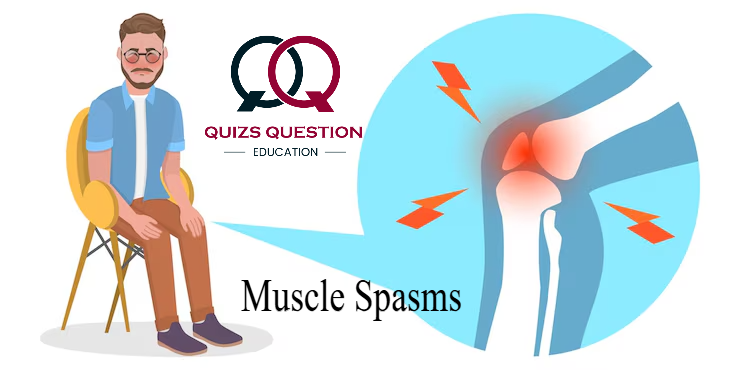
Muscle spasms are sudden, involuntary contractions of a muscle or group of muscles. They can range from mild twitches to painful cramps and can occur in any part of the body, but are most common in the legs, back, and neck.
Common Causes:
- Dehydration
- Electrolyte imbalances (low potassium, calcium, or magnesium)
- Muscle fatigue or overuse
- Poor blood circulation
- Nerve compression (e.g., herniated disc)
- Medications (like diuretics or statins)
- Medical conditions (such as multiple sclerosis, diabetes, or thyroid issues)
Relief & Prevention:
- Stretching and massaging the affected muscle
- Applying heat or cold
- Hydration – drink water or electrolyte-rich fluids
- Magnesium or potassium-rich foods (e.g., bananas, spinach, nuts)
- Regular exercise to keep muscles conditioned
- Avoiding overexertion or poor posture
Would you like to talk more about specific spasms you’re dealing with, like where they’re happening or how often?
Q 1. Which of the following electrolytes is most commonly associated with muscle spasms when deficient?
A. Potassium
B. Sodium
C. Chloride
D. Iron
Show Answer
Answer:-A .PotassiumQ 2. Muscle spasms are best described as:
A. Voluntary muscle contractions
B. Slow and sustained muscle relaxation
C. Involuntary, sudden muscle contractions
D. Muscle atrophy
Answer: C. Involuntary, sudden muscle contractions
Show Answer
Answer:-C. Involuntary, sudden muscle contractionsQ 3. Which condition is least likely to cause muscle spasms?
A. Dehydration
B. Overexertion
C. Multiple sclerosis
D. Viral infection
Show Answer
Answer:-D. Viral infectionQ 4. A common site for nighttime muscle spasms is:
A. Arms
B. Neck
C. Calves
D. Fingers
Show Answer
Answer:-C. CalvesQ 5. Which mineral is often recommended to help prevent muscle cramps?
A. Zinc
B. Magnesium
C. Fluoride
D. Selenium
Show Answer
Answer:-B. MagnesiumQ 6. Which of the following is a non-pharmacological method to relieve a muscle spasm?
A. Antibiotics
B. Stretching the affected muscle
C. Corticosteroids
D. Antivirals
Show Answer
Answer:-B. Stretching the affected muscleQ 7. Muscle spasms can be a side effect of which type of medication?
A. Diuretics
B. Antacids
C. Antidepressants
D. Beta-blockers
Show Answer
Answer:-A. DiureticsQ 8. Which vitamin deficiency is sometimes linked to muscle spasms?
A. Vitamin A
B. Vitamin D
C. Vitamin K
D. Vitamin C
Show Answer
Answer:-B. Vitamin DQ 9. Long periods of physical activity without proper hydration can lead to muscle spasms due to:
A. Increased iron levels
B. Fluid retention
C. Loss of electrolytes
D. Bone stress
Show Answer
Answer:-C. Loss of electrolytesQ 10. A person experiencing frequent muscle spasms should first consider:
A. Evaluating hydration and nutrition levels
B. Visiting a dermatologist
C. Increasing sugar intake
D. Taking sleeping pills
Show Answer
Answer:-A. Evaluating hydration and nutrition levelsAuthor

quizsquestion@gmail.com
Related Posts
Top 100 UK GK Questions (Culture, Sport & Icons)
- 0
- 1,424 word
🎭 Culture (1–35) Q 1. What is the capital of the United Kingdom? Show Answer Answer:-London Q 2. What is the official...
Read out allCurrent Affairs Quiz – May 2026
- 0
- 5,106 words
Q 1.Which state has been declared the country’s first paperless judiciary state? A. SikkimB. ManipurC. AssamD. Odisha Show Answer Answer:- A. Sikkim...
Read out all
Culture Sport & Icons Australia GK Question Top 100
- 0
- 1,751 word
Australia’s identity is a vibrant blend of the world’s oldest living culture, a deep-seated passion for sport, and a unique collection of...
Read out all
Current Affairs Quiz – March 2026
- 0
- 5,691 words
Q 1.Where was India–UK Conference on Green Hydrogen Standards and Safety Protocols held? A. New DelhiB. ChennaiC. HyderabadD. Bengaluru Show Answer Answer:-A....
Read out all
Important Events & History Canadian Multiple Choice Question
- 0
- 830 words
Q 1. In what year did Canadian Confederation take place? A. 1776 B. 1812 C. 1867 D. 1982 Show Answer Answer:-C. 1867...
Read out all
Government & Politics Questions Canadian Multiple Choice Questions
- 0
- 780 words
Q 1.What type of government does Canada have? A. Republic B. Constitutional Monarchy C. Absolute Monarchy D. Dictatorship Show Answer Answer:-B. Constitutional...
Read out all